


Strategies to Better Align Investments in Pharmaceutical Innovation with Unmet Health Needs
The Peterson Center on Healthcare partnered with Gates Ventures to fund a study by the National Academies of Sciences, Engineering, and Medicine examining how well the current pipeline of innovations in therapeutic development aligns with U.S. disease burden.
The resulting report identifies critical mismatches and proposes strategies to better align public and private investments with population health needs.

Key recommendations include:
- Expanding public-private partnerships to encourage development of promising compounds no longer under commercial development, including establishing a searchable repository of shelved assets available for governmental or nonprofit entities to advance
- Building accountability into the FDA's accelerated approval program by confirming clinical benefit
- Aligning public reimbursement mechanisms to account for evidence of clinical benefit compared with existing therapeutic alternatives
- Developing a specialized negotiation and access model for one-time curative therapies to ensure patient access and market viability for innovators
- Establishing a comprehensive system to track and assess unmet therapeutic needs and identify mismatches between disease burden and innovation investments
Despite hundreds of billions of dollars of public and private investment in biomedical research and drug development, a report from the National Academies of Sciences, Engineering, and Medicine reveals significant gaps in developing treatments for conditions such as cardiovascular disease, chronic obstructive pulmonary disease, immune-related disorders, and maternal and neonatal conditions.
To prepare the consensus study report, the National Academies convened a 16-member committee with expertise spanning health policy, health economics, epidemiology, therapeutic development, regulatory oversight, and clinical care. The committee was chaired by Don Berwick, president emeritus of the Institute for Healthcare Improvement and former administrator of the Centers for Medicare & Medicaid Services, and Ellen MacKenzie, dean of the Johns Hopkins Bloomberg School of Public Health, and drew on extensive stakeholder input from federal agencies, academia, industry, and patient groups.
The committee identified scientific and market barriers driving the mismatch between the innovation pipeline and health needs. Scientific challenges include an insufficient understanding of disease burden and disease mechanisms, lack of validated measures of treatment effectiveness, and difficulties conducting clinical trials for certain populations. Market failures occur when economic incentives don't align with patient needs, particularly for diseases affecting small populations and therapeutic areas where existing treatments limit potential returns on investment. Further, coverage and reimbursement policies often fail to account for a drug's clinical value relative to existing alternatives or the extent to which it addresses unmet needs.


Groundbreaking California-Civica Rx Partnership Will Increase Access to Low-Cost Insulin
The Peterson Center on Healthcare supports the growing national movement toward lower costs and improved outcomes in healthcare.

Peterson Center on Healthcare Announces $5M Support for New Effort to Manufacture and Distribute Low-Cost Insulin
The Peterson Center on Healthcare announced $5 million of funding to CivicaRx to support an innovative effort to create low-cost insulin.
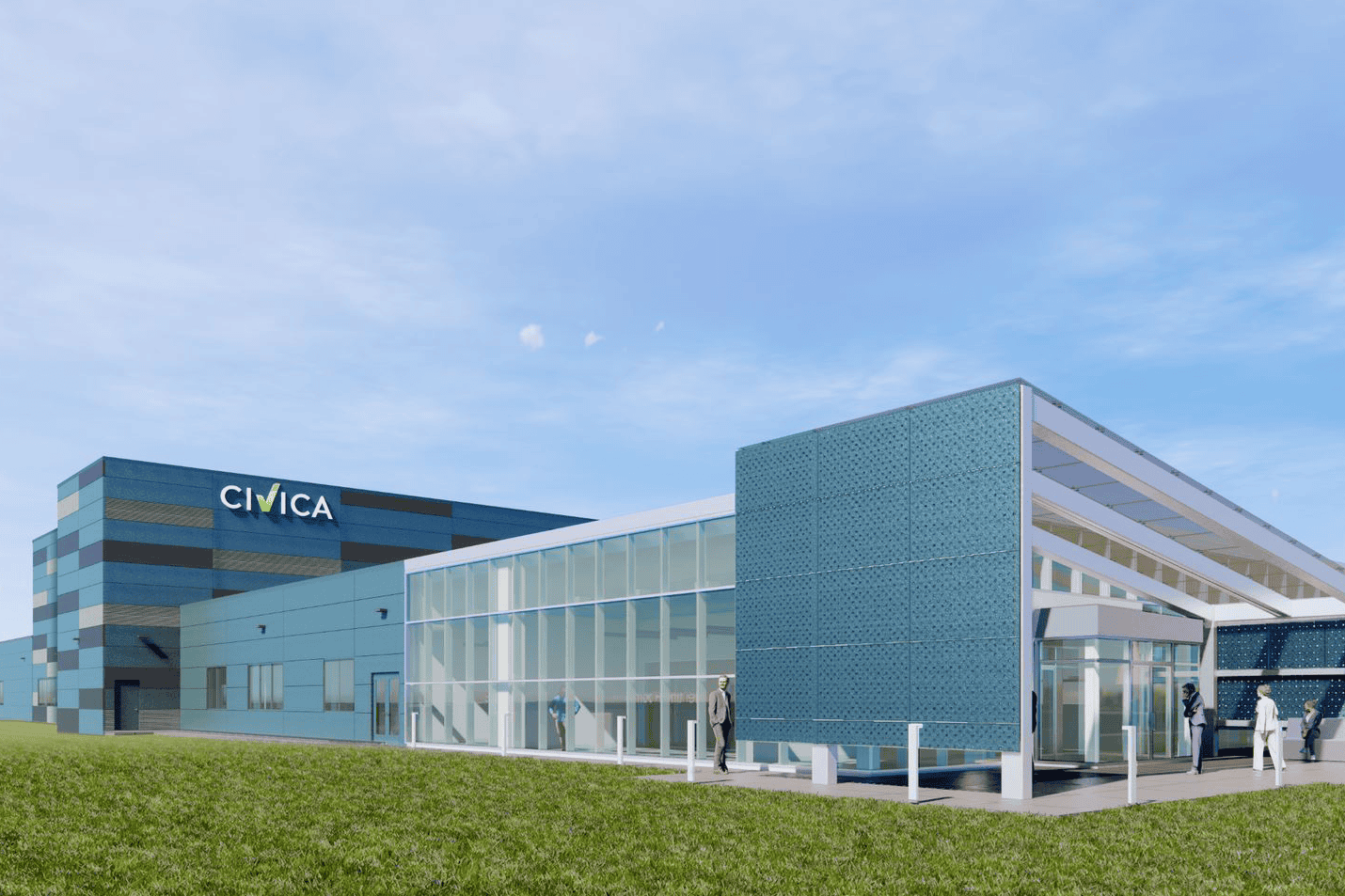
Three National Foundations Commit $30 Million to Civica Rx, a Groundbreaking Effort to Address Shortages and High Prices of Life-saving Medications
To address shortages and rising prices, three national foundations committed $30 million to help establish Civica Rx, a nonprofit generic drug company.